Meet Tracy Doyle
I built a company, carried my family, and burned out twice before I understood the pattern underneath it.
Now I help high-performing professional women see that pattern for themselves and reclaim what burnout has been costing them.
The belief I didn’t
know I had
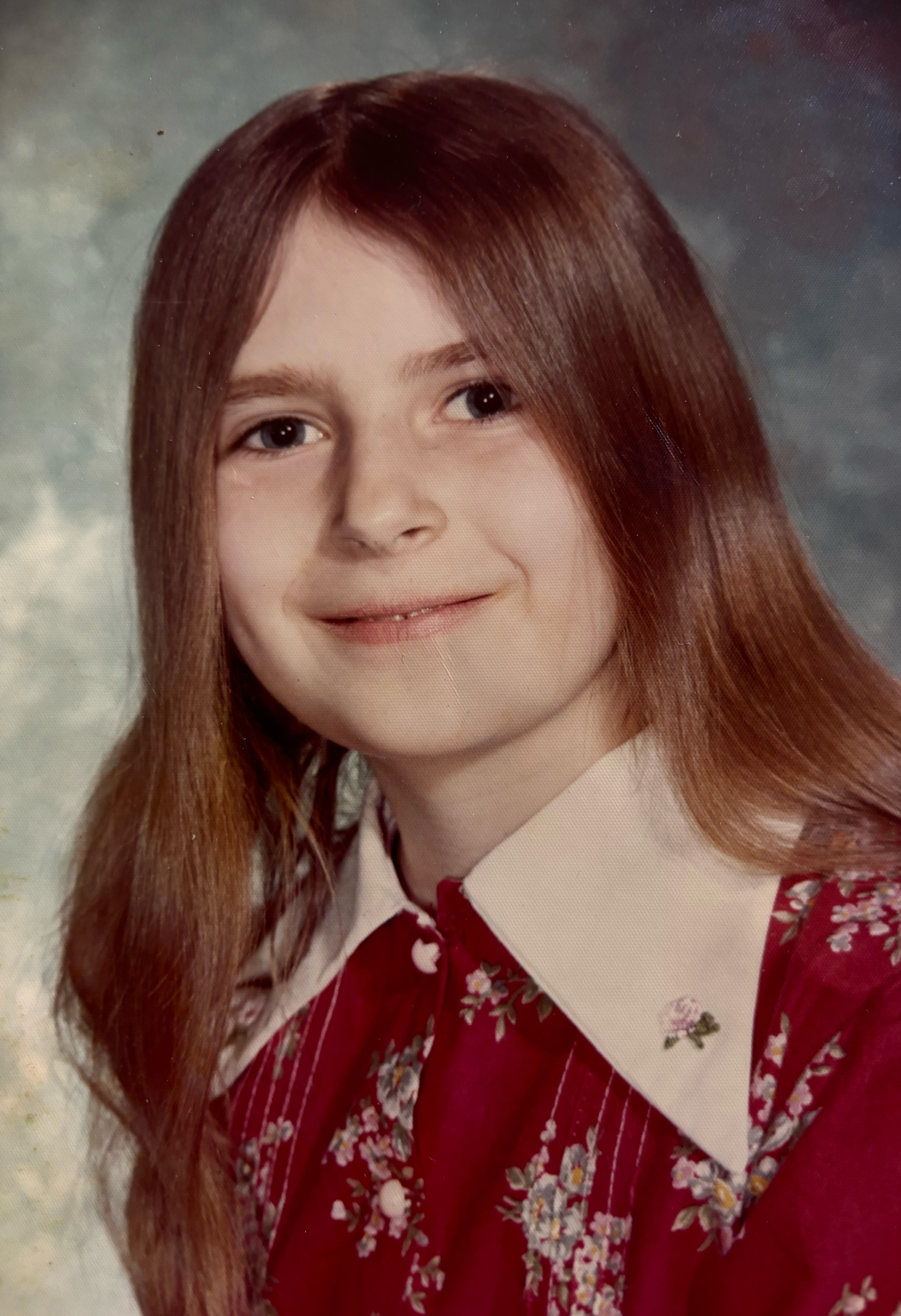
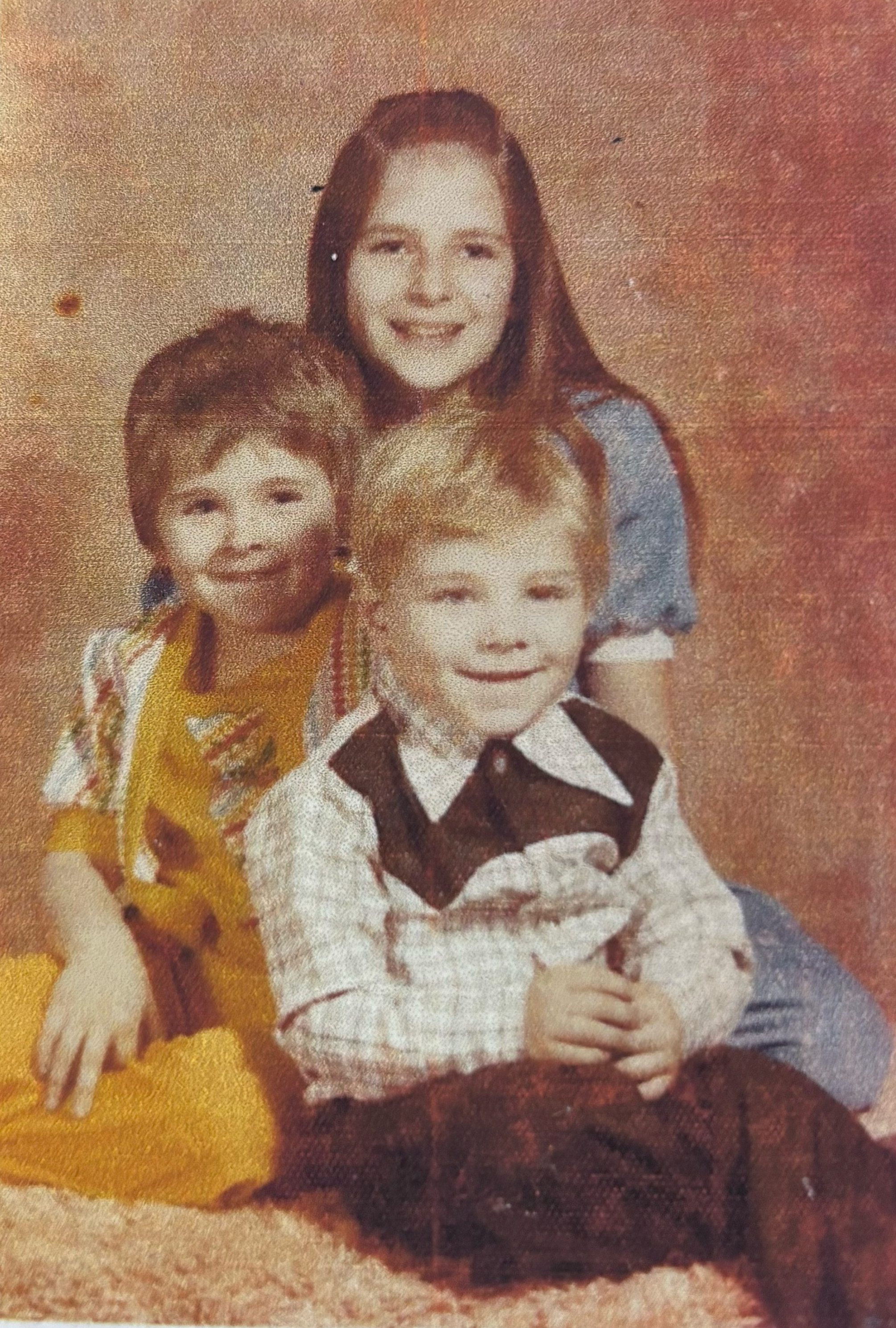
At 10 years old, I was already the adult in my house.
My mother was young and struggling with a mental illness nobody fully understood yet. There was never enough food. So, I raced boys on the schoolyard for their lunch and fought them for it when they wouldn’t hand it over because my brother and sister needed to eat.
Those years taught me how to be responsible, resourceful, and resilient. They also taught me something I wouldn’t question for the next 30 years: that my value came from taking care of everyone else.
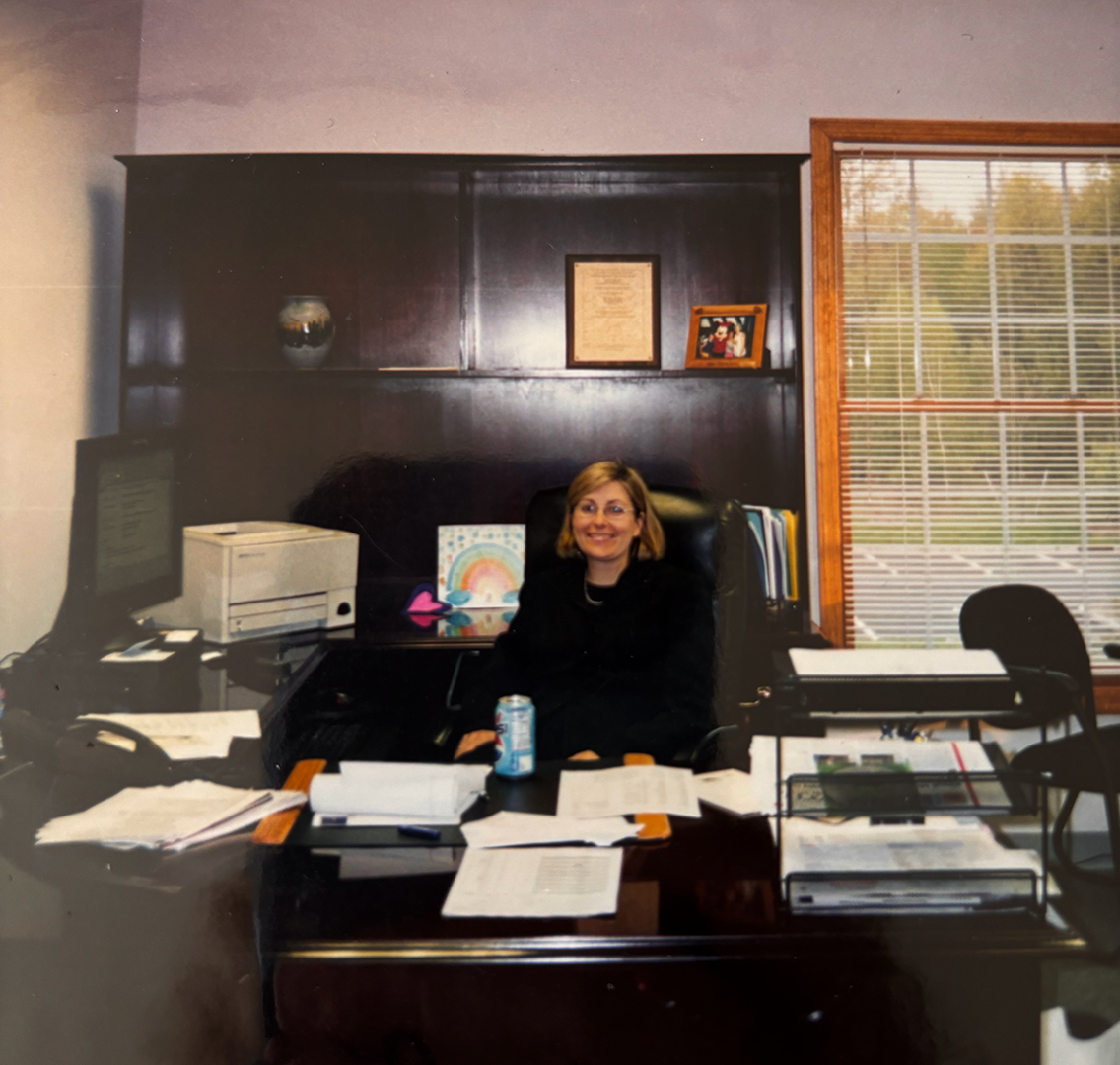
That belief helped build my life. I became the first in my family to graduate from college, built a successful career in the pharmaceutical industry, and started a medical communications company at my kitchen table that I would go on to lead for more than 20 years.
The company was recognized in Forbes and industry publications, and I received awards for innovation and growth, including the regional Ernst & Young Entrepreneur of the Year Award.
From the outside, I was living an extraordinary life.
But inside? Underneath it all, that same belief was eroding it and taking my life apart one piece at a time.
The Descent
What it cost me
I never asked for help, because asking meant weakness. I said yes so many times that yes stopped meaning anything. It just meant more. And more.
Saying no was never an option. And every yes meant going above and beyond—sometimes driving 60 miles for one meeting, then turning around and driving 85 for another. On the same day.
Nobody expected that of me.
I expected that of me.
The people I worked with called me a machine, and I took it as a compliment.
At home, I was never fully present. I could be sitting next to my spouse watching TV and mentally be somewhere else entirely. I started to feel less like a person in my own life and more like the manager of it—my home, my spouse, my mother, my sister, her children. Everyone.
Then I started to go numb. I was seething silently inside with every request and every yes. I thought I was setting boundaries at work, but somehow, they never seemed to hold.
Everyone needed me.
So, I kept telling myself things would slow down.
Then I started snapping at home. Simple questions began to feel like interrogations. Years of pushing down no came out as impatience, and that impatience landed on the people I loved most.
The more I snapped, the more I withdrew. The more I withdrew, the more meaningless everything around me began to feel.
My patience got shorter and shorter, and the people who worked for me were the ones who felt it.
And eventually, I became explosive.
There were days I felt like I lost it 20 or 25 times over things at work. I raised my voice at people who had done nothing to deserve it. There were meetings I walked out of knowing I’d just taken something out on my team that had nothing to do with them.
Then I went back to my office and sat with what I’d become.
My reactions made no sense to me.
Why is this happening?
What is wrong with me?
I was filled with shame and remorse, lying awake replaying every situation, every word, every look. I promised myself I would do better because I knew better.
But it kept happening.
Looking back, the silence, the snapping, the outbursts, they were all signals that something deeper was going on.
I just couldn’t see it yet.
The Turnaround
The conversation that changed everything
For most of my life, I believed asking for help was a weakness. At my lowest point, I finally did.
I let a friend see what I had worked so hard to hide—that I wasn’t okay. And instead of judging me, she helped me see something I couldn’t see for myself.
The problem wasn’t just what was happening around me. It was how I was thinking about what was happening.
She told me,
“Your life experiences shape your thinking.
And your thinking drives you.
When you have nothing left, it’s time to go back and look at your thinking.”
That conversation changed the direction of my life.
For the first time, I understood that vulnerability wasn’t weakness. It was strength. And if I wanted my life to change, I had to stop looking only at everyone and everything around me and start looking within.
That’s when I began uncovering the beliefs I had carried for decades and saw how quietly they had been driving my reactions, my relationships, and my life.
I finally knew what to change.
Then came the part nobody had given me before: what to actually do with all of that self-knowledge.
Every night I looked back at my day and named the beliefs and the behaviors they created. Then I practiced how to reset them. How to change my response, deliberately, until it started to hold. Not once. Every night for a long time. I started to feel connected to myself.
My relationship with my spouse started to improve. Then my reactions were less frequent. And something I hadn’t expected came back with them: my voice. The calmer I felt, the clearer I got about what I needed and how to say it. Conversations that were difficult became easier. My leadership changed. So did my team. The reactions became rarer. And I began to lead my life with confidence.
That practice became the foundation of the Aurora Method®.
What I Believe
My story probably looks nothing like yours. It doesn’t have to.
What matters is that somewhere along the way, your experiences shaped what you came to believe—about yourself, about other people, and about what you needed to do to be loved, valued, safe, or enough.
Those beliefs can stay with us for decades, quietly influencing how we think, react, and relate to the people around us.
Here’s what my own journey, and the women I’ve guided since, has taught me:
I’ve spent my life learning how people change.
Long before the Aurora Method® had a name, I was drawn to understanding people. I earned my degree in Psychology and Counseling with plans to become a clinical psychologist, before life took me in another direction.
That direction taught me something too.
I spent more than 20 years building and leading a multimillion-dollar company, managing people, navigating conflict, making difficult decisions, and learning firsthand what pressure can bring out in all of us.
Then my own burnout forced me to turn everything I thought I understood about human behavior inward.
What began as a deeply personal search became years of learning, applying, refining, and eventually guiding dozens of high-performing professional women through the process that became the Aurora Method®.

Today, I bring all of it to this work: my education, my leadership experience, my lived experience, and what I’ve learned guiding women through change themselves.
This is the work I was always meant to do.
When I started out in life, I had one intention: to help others.
I studied psychology and counseling with plans to continue on to graduate school, but I couldn’t afford to go. Instead, I began a career in the pharmaceutical industry.
It took nearly 30 years and my own struggle with emotional burnout to find my way back to the work I had always been drawn to. Only now, I have come back to it with a deeper sense of purpose and a much clearer understanding of how I want to help.
Today, I guide high-performing professional women through the Aurora Method®, helping them see what’s underneath their burnout, understand what’s driving their reactions, and learn how to respond differently.
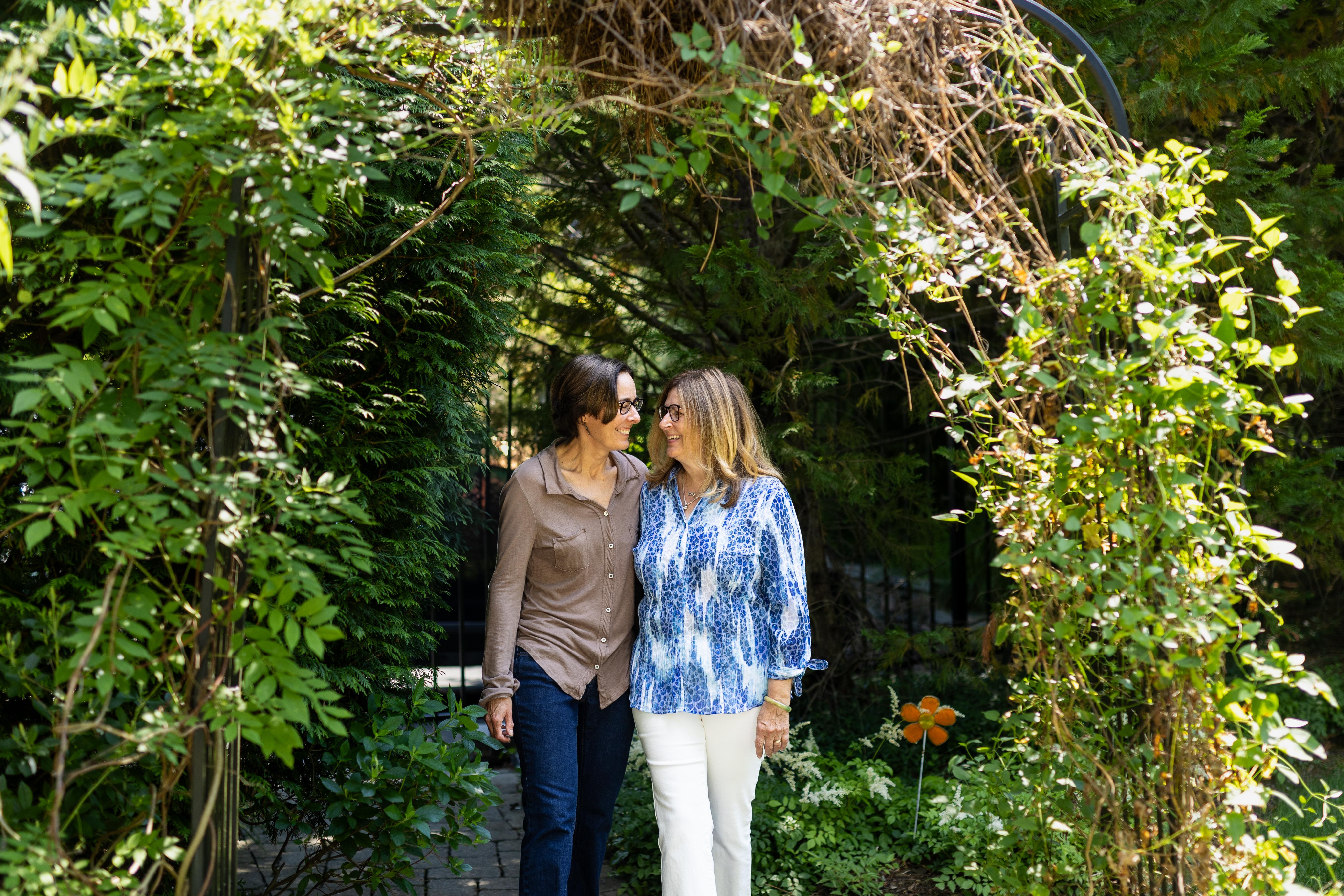
That 10-year-old girl was certain her worth came from taking care of everyone else.
It took me most of my life to learn that no matter where your story begins you have the power to write a different ending.
And if that 10-year-old little girl can do it. So can you.
I’d be honored to help you find your way through.